SCARED TO LEARN TO SURF?
You can be excited and nervous at the same time.
A practical guide to starting surfing without pretending you’re fearless.
BEING NERVOUS ISN’T A SIGN YOU SHOULDN’T SURF
The ocean moves. Surfboards feel unfamiliar. Everyone else can look more confident than you feel. For a first-time surfer, nerves make sense.
The answer isn’t to ignore fear. It’s to start in an environment where the conditions, coaching and expectations match your level.
WHAT ARE YOU ACTUALLY AFRAID OF?
“I’m scared to surf” can mean several different things:
• I’m uncomfortable in the ocean.
• I’m worried the waves will be too big.
• I’m scared I won’t be fit enough.
• I don’t want to embarrass myself.
• I’m travelling alone and don’t know anyone.
• I’m worried I won’t be good at it.
Naming the concern makes it much easier to tell your coach what you need.
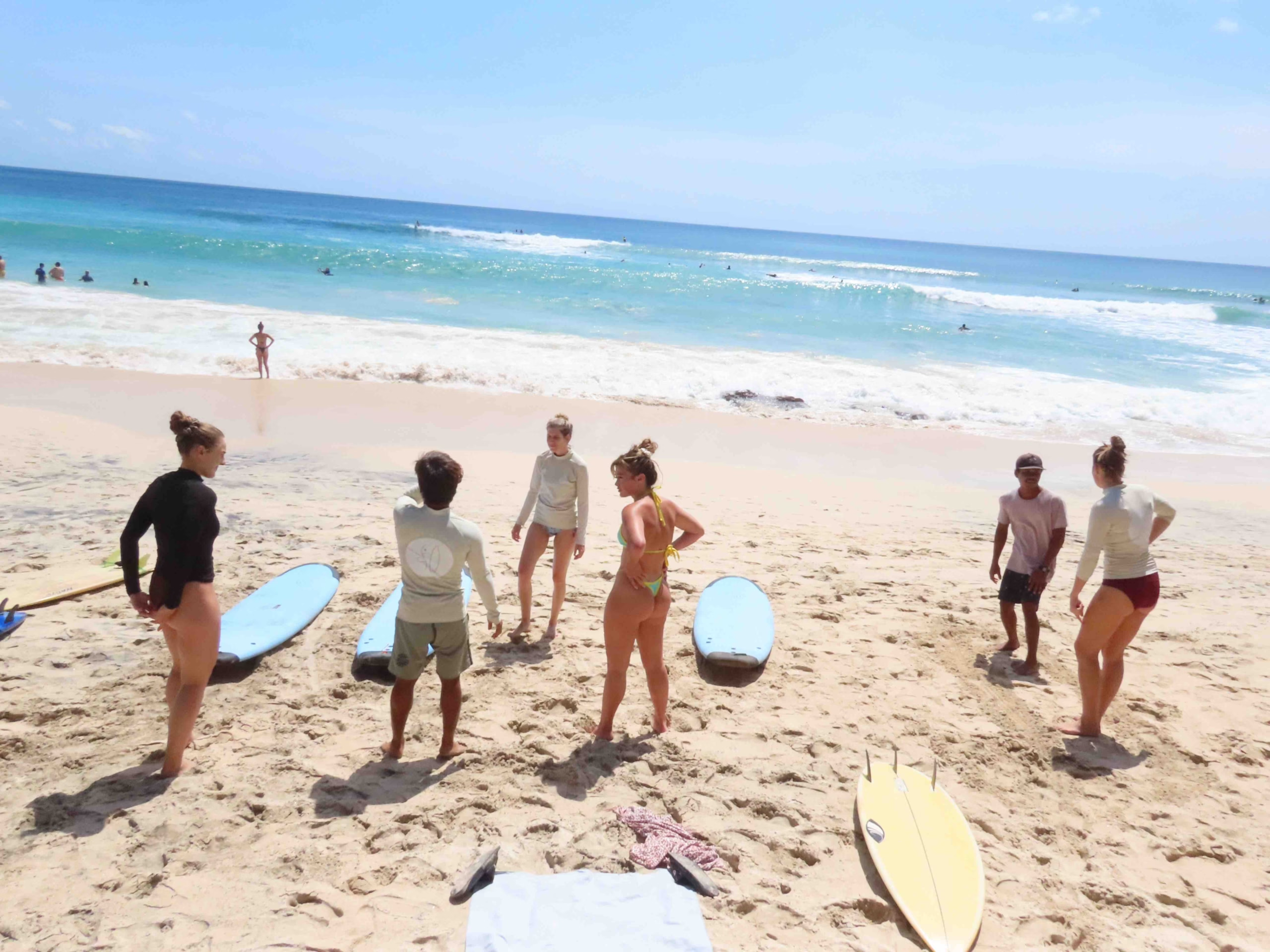
YOU DO NOT START ON THE WAVES YOU SEE IN SURF MOVIES
Uluwatu is famous for powerful reef surfing, which can make the destination look intimidating. But complete beginners should not simply be taken to an advanced break.
The wider Bukit Peninsula offers different options when conditions allow. Your coach should select a learning environment according to your level, swell, wind and tide.
The right wave for you is more important than the most famous wave.
TELL YOUR COACH YOU’RE NERVOUS
You do not earn points for pretending to be comfortable. Tell your coach if you’re anxious, if you have limited swimming confidence, or if something during the session feels beyond your ability.
Clear communication helps coaching stay appropriate to you. You should understand the plan, know the key safety instructions and feel able to ask questions before entering the water.
BUILD CONFIDENCE IN SMALL STEPS
Step 1: understand the basics on land.
Step 2: get comfortable handling the board.
Step 3: practise with coaching in conditions suited to your level.
Step 4: repeat. Familiarity matters.
Step 5: progress when you and your coach agree you’re ready.
Confidence does not need to arrive before you start. It can grow through manageable experiences.
STOP WATCHING EVERYONE ELSE
One person may stand up quickly. Someone else may need more time to feel comfortable in moving water. Neither tells you what your own progression should look like.
Surfing is much more enjoyable when the goal changes from “I need to be good at this” to “I want to understand a little more than I did yesterday.”
WHAT IF YOU’RE ALSO COMING ALONE?
Being nervous about surfing and nervous about solo travel at the same time can make booking feel like a big step.
A small surf camp removes some of the unknowns: there is a plan for your surf sessions, people to eat with and other travellers around you. You can arrive solo without having to organise the whole experience alone.
NERVOUS BEGINNER: QUICK FAQ
What if I’m scared of big waves?
Tell your coach. Beginners should learn in conditions appropriate to their ability rather than being pushed into advanced surf.
What if I fall?
Falling is a normal part of learning. Your instructor should explain relevant safety techniques and how to manage your board before you practise in the water.
What if I’m not a strong swimmer?
Tell the surf provider before your session. Water confidence and swimming ability are important safety considerations, and the provider can advise whether the planned lesson is appropriate.
Can I stop if I don’t feel comfortable?
You should communicate with your instructor whenever you feel uncomfortable or conditions feel beyond your ability.
YOU DON’T HAVE TO FEEL READY TO START PLANNING
Read our Beginner’s Guide, see how our surf coaching works, or explore our Surf & Yoga packages.
your WELCOME HERE
Come as a complete beginner. Ask every question. Progress at your own pace.